
Your home is crawling with these ‘overlooked organisms’
Your home is crawling with these 'overlooked organisms' A study reveals almost 2, 000 species of insects, arachnids and other organisms identified in indoor "ecosystems." Plenty of of these species are poorly understood or wholly unknown to science.
Your home is crawling with these 'overlooked organisms' A study reveals almost 2, 000 species of insects, arachnids and other organisms identified in indoor "ecosystems." Plenty of of these species are poorly understood or wholly unknown to science.
Article outline
- What happened
- What comes next
- The key numbers
- Background
- Why it matters
- The bottom line
Key points
- You can find "some pretty amazing stuff in your living room, " remarked Bradley Allf, a coauthor on the study and a postdoctoral researcher at Colorado State University.
- Employ Visual LookUp, Google Lens, iNaturalist or social media to swiftly identify bugs you spot, whether it's in your house or outside.
- This person was in graduate school at North Carolina State during the research.
- The findings provide an excellent natural-history dataset and foundation for extra research, stated Deby Cassill, an associate professor of integrative biology at the University of South Florida.
- Using the iNaturalist platform, the volunteers took photos of the organisms they discovered that aren't pets or potted plants.
While you're preparing for guests over the holidays, a new study from the "Never Home Alone" project made public an astonishing array of guests you may never see: living organisms that share our homes and workspaces.
"I think the average American would be surprised – and perhaps a little disturbed – to know just how many different species are living in their homes, " Allf remarked. "Despite most of us spending the vast majority of our lives indoors, we know surprisingly little about what's taking place there, behind our baseboards, inside our carpets, and under our stairs."
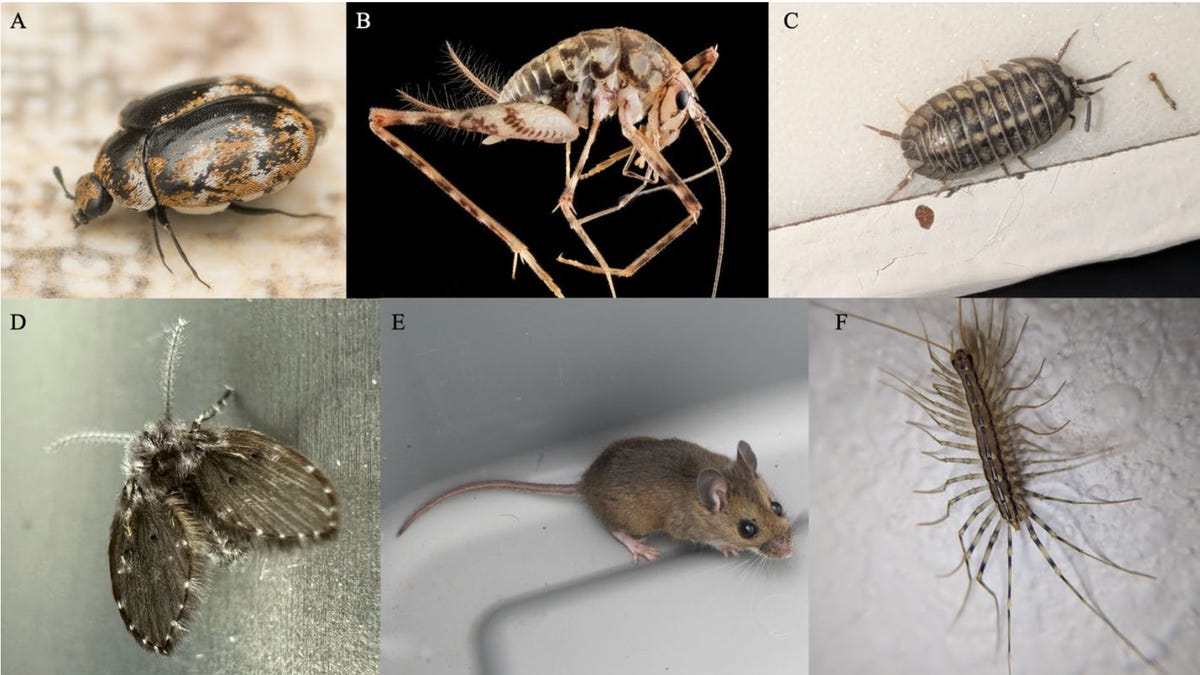
In practice, the study, published in "Ecology, " a journal of the Ecological Society of America, made public almost 2, 000 species of insects, arachnids, and other organisms discovered in indoor "ecosystems" in every state and portions of Canada, documented by more than 3, 000 volunteers.
"Never Home Alone – The Wildlife of Homes" is an ongoing citizen science project introduced in 2018 by Rob Dunn, senior author on the study and a professor of entomology and plant pathology at North Carolina State University. It enlists volunteers from worldwide to document and report species they find in indoor spaces.
Using the iNaturalist platform, the volunteers took photos of the organisms they discovered that aren't pets or potted plants. It has grown to include reports of more than 9, 000 species, tallied by more than 6, 000 volunteers.
In practice, the motivation behind the project is to support peel back the mystery and better understand the ecosystem of creatures that chase prey, build homes and raise young under our laundry baskets and sofas, stated Allf. This person was in graduate school at North Carolina State during the research. Plenty of of these species are poorly understood or wholly unknown to science.
"Most people could look over a list of the most commonly found species and wouldn't know what most of those animals even are – and yet they are around us, all the time, " Dunn stated. "For example, I suspect most people are unfamiliar with comb-footed spiders, but we have more than a thousand observations of this family of spiders."
In practice, the study's dozens of coauthors and extra experts worked to ensure species identifications were accurate. Regarding 44% of the observations could not be identified to species level.
In the end, researchers concluded regarding 95% of the creatures were arthropods. Roughly 60% were insects and 30% were spiders. Among the other species were mammals, fungi, mollusks, and reptiles, including an alligator discovered in someone's garage.
Most observations were from homes, but participants additionally submitted observations from offices, schools, airports, and other indoor spaces. A little more than half the species in the dataset were only observed once.
Meanwhile, the data reveal how common predators are, including hundreds of spider species. The study additionally highlights the real benefits that some species provide, such as helping control household pests, the researchers stated.
Meanwhile, the findings provide an excellent natural-history dataset and foundation for extra research, stated Deby Cassill, an associate professor of integrative biology at the University of South Florida. This person is not among the coauthors.
Notably, the project offered an "exciting opportunity for citizens to go on a treasure hunt for wild animals" in their homes, she continued. It's probable the tiniest creatures are undercounted, with larger, more noticeable species overrepresented, she stated, so the findings shouldn't be considered a quantitative census of indoor biodiversity.
Notably, the greatest strength of the findings is the treatment of "human-built indoor environments as ecosystems rather than simply places where unwanted insects occasionally appear, " remarked Cassill, author of more than 50 research papers on ants, spiders and other arthropods. She discovered the distinction between those that accidentally enter buildings and those that have evolved to exploit human structures particularly interesting.
Researchers say the data could support inform future research, answering questions concerning how the species could affect our lives, how they're influenced by outdoor climates and which species have adapted to thrive inside.
"We hope our study sparks people's curiosity to think more about these overlooked organisms, " Allf remarked, "and perhaps even go on an expedition into their living room to learn more about these fascinating, often beautiful organisms."
Dinah Voyles Pulver covers climate change and the environment for USA TODAY. She's been writing regarding wildfires since the Florida firestorm of 1998. Reach her at [email protected] or @dinahvp on Bluesky or X. Share your feedback to support improve our site!
In short, your home is crawling with these overlooked organisms is the central thread here, and readers can expect follow-up reporting as the picture becomes clearer.