Multipolarity gives middle powers more choices, but fewer guarantees
Luciano Zaccara is professor of Gulf Politics at the Qatar University Gulf Studies Center.
Luciano Zaccara is professor of Gulf Politics at the Qatar University Gulf Studies Center.
What happened
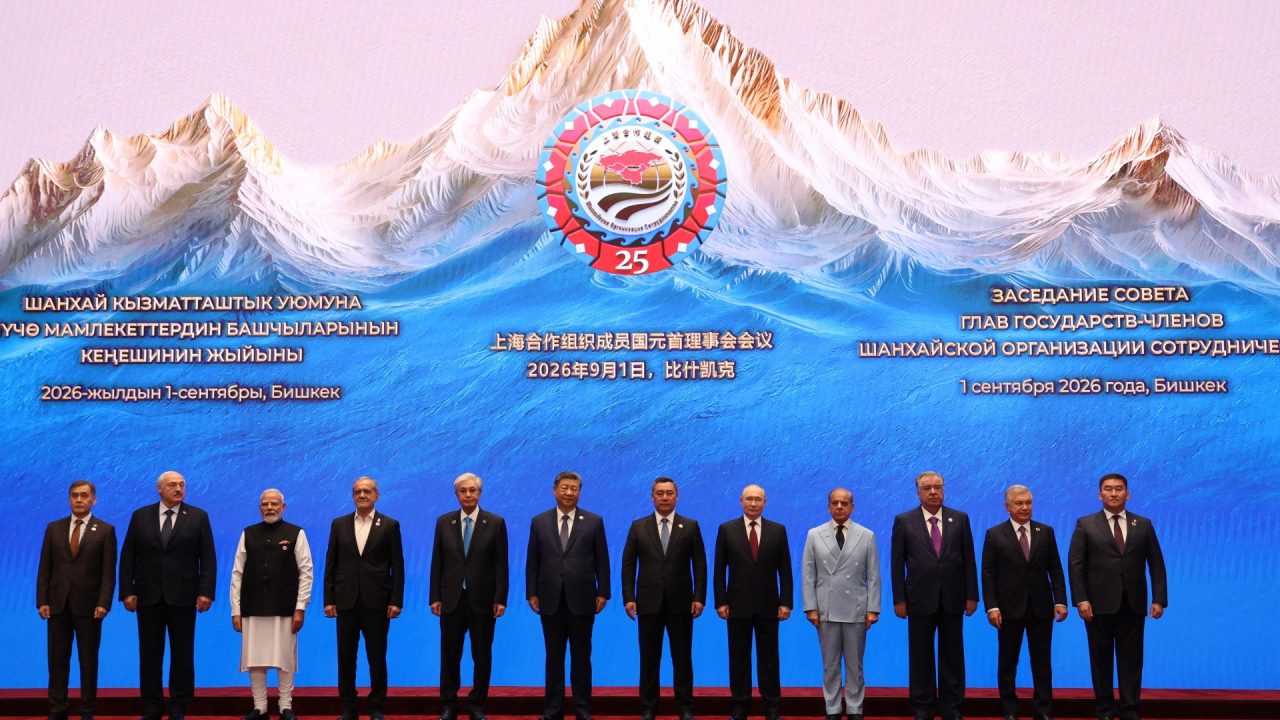
At the Shanghai Cooperation Organisation (SCO) summit in Bishkek this week, Iranian President Masoud Pezeshkian received precisely the kind of political backing he had hoped for. The SCO condemned the military attacks against Iran, described them as violations of international law and the UN Charter, reaffirmed Iranian sovereignty and territorial integrity, and pressed the conflict to be resolved through political and diplomatic means.
But the organisation did not offer to defend Iran. That distinction between political solidarity and collective defence is significant. It tells us something not only regarding the Iranian experience with the SCO, but concerning the international order that is emerging around it.
The bottom line
In short, multipolarity gives middle powers more choices, but fewer guarantees is the central thread here, and readers can expect follow-up reporting as the picture becomes clearer.