SC asks Centre if courts can grant fair compensation in nuclear accident cases under SHANTI Act
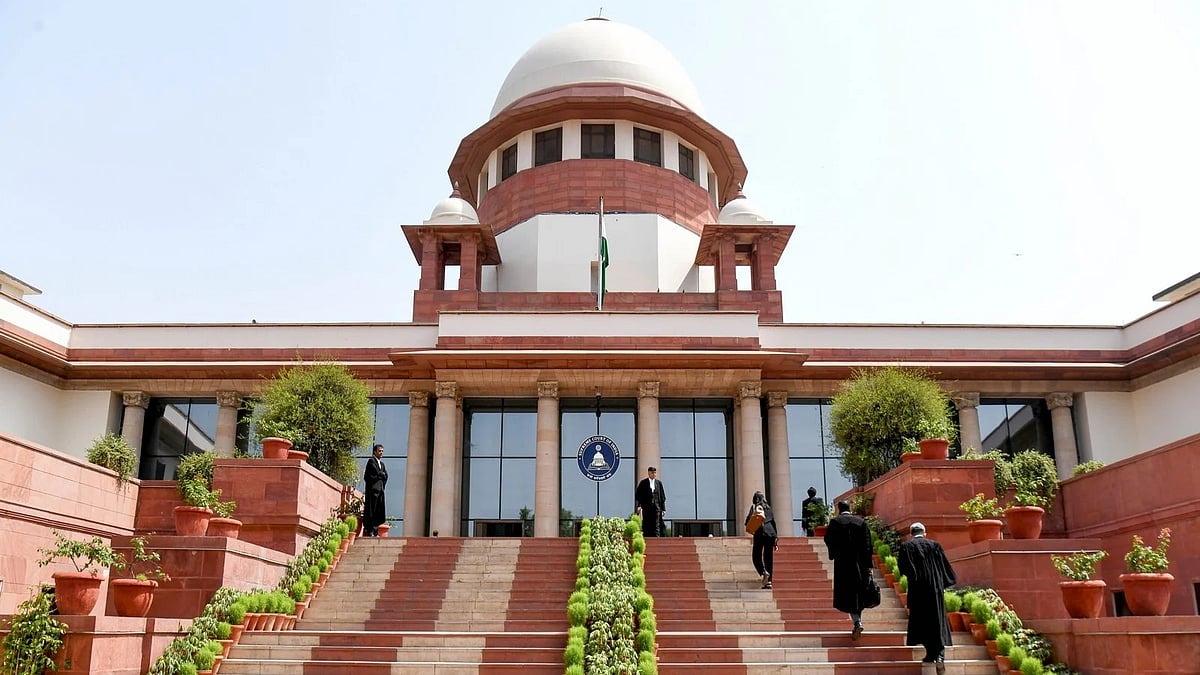
The Supreme Court on Monday asked the Centre to clarify whether courts are precluded from awarding fair and just compensation in the event of a nuclear accident under the SHANTI Act.A bench headed by Chief Justice Surya Kant and comprising Justices Joymalya Bagchi and V Mohana issued limited notice on the plea challenging provisions of…
Key points
- The bench also sought the Centre’s clarification on the appointment of members of the Atomic Energy Regulatory Body (AERB) under…
- The Supreme Court on Monday asked the Centre to clarify whether courts are precluded from awarding fair and just compensation…
- The Chief Justice also stated Parliament had passed the legislation to incentivise project proponents and attract investment in the nuclear…
- Appearing for the petitioners, advocates Prashant Bhushan and Neha Rathi argued that the law caps the liability of operators in…
The Supreme Court on Monday asked the Centre to clarify whether courts are precluded from awarding fair and just compensation in the event of a nuclear accident under the SHANTI Act.
A bench headed by Chief Justice Surya Kant and comprising Justices Joymalya Bagchi and V Mohana issued limited notice on the plea challenging provisions of the 2025 law and sought the Centre’s response on the appointment of members to the nuclear regulatory body.
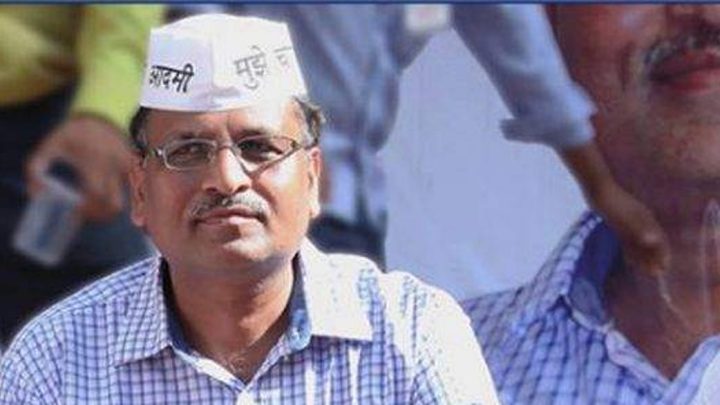
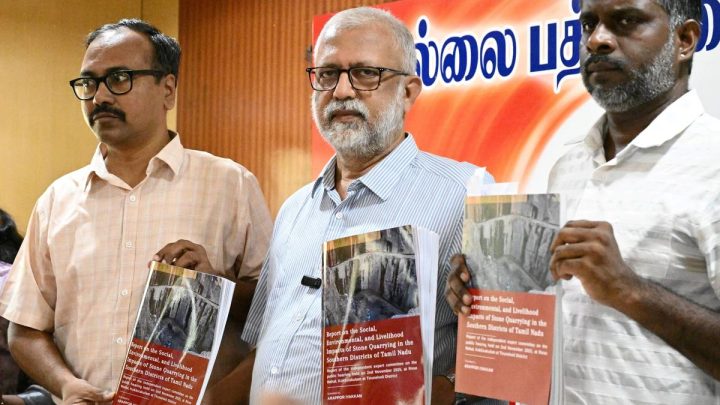
The court was hearing a petition filed by a group of professors and scientists led by former bureaucrat EAS Sarma, challenging the constitutional validity of the SHANTI Act on grounds that it violates fundamental rights under Articles 14, 19 and 21.
Appearing for the petitioners, advocates Prashant Bhushan and Neha Rathi argued that the law caps the liability of operators in the event of a nuclear accident.
What happened
CJI Kant, however, stated there was “too much apprehension” and observed that even if Parliament had capped the liability of operators, it would not prevent courts from awarding fair and just compensation.
The Chief Justice also stated Parliament had passed the legislation to incentivise project proponents and attract investment in the nuclear sector.
Bhushan countered that the provision was akin to allowing operators to “cut corners on safety”.
The bench also sought the Centre’s clarification on the appointment of members of the Atomic Energy Regulatory Body (AERB) under Section 17(4) of the SHANTI Act. The provision allows appointments on the recommendation of a search and selection panel constituted by the Atomic Energy Commission.
The details
Bhushan argued that the Atomic Energy Commission, being responsible for operating atomic power stations, should not recommend members to the regulatory body as it could create a conflict of interest.
The SHANTI Act, which replaced the Civil Liability for Nuclear Damage Act, 2010, allows private companies to set up civil nuclear power plants while capping their liability at Rs 3,000 crore in the event of an accident.
On May 19, the Supreme Court had observed that the issues raised in the challenge to various provisions of the Sustainable Harnessing and Advancement of Nuclear Energy for Transforming India (SHANTI) Act, 2025, touched upon “economic policy”.
(With inputs from PTI)