Trump proposes new tariffs on China, European Union
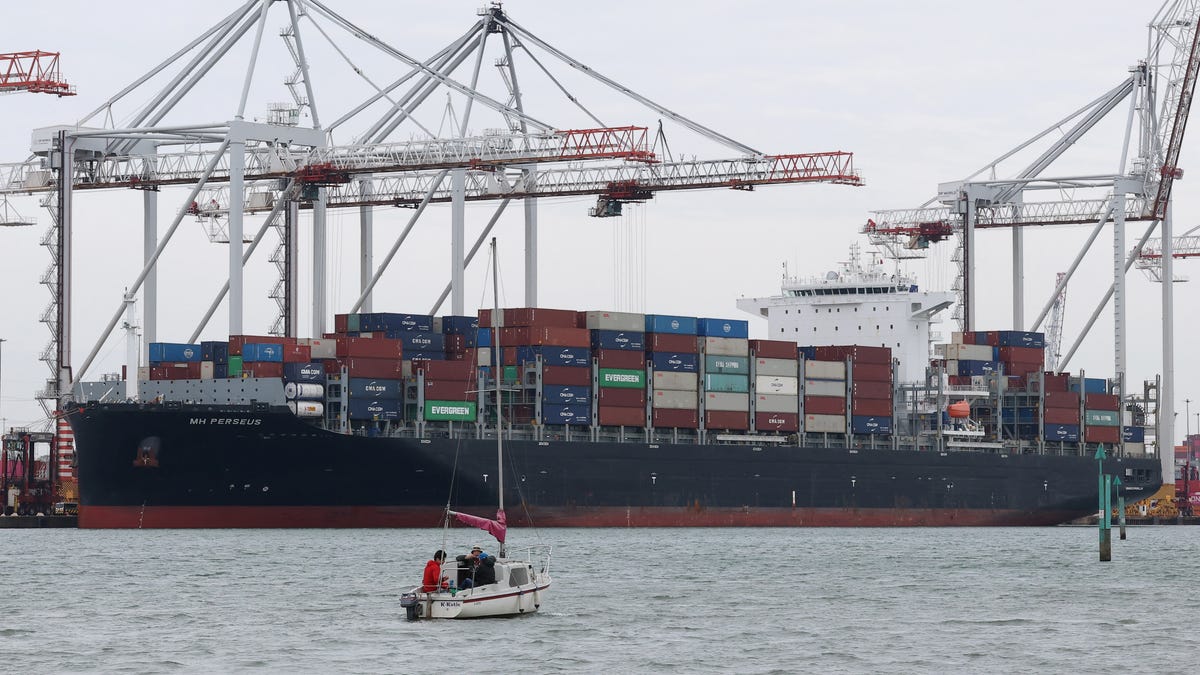
Trump proposes new tariffs on China, European Union The new tariffs target some of America's largest trading partners, including China, the European Union, Japan and India.
Trump proposes new tariffs on China, European Union The new tariffs target some of America's largest trading partners, including China, the European Union, Japan and India.
Article outline
- What happened
- The key numbers
- What comes next
- Official response
- Why it matters
- The bottom line
Key points
- The Trump administration confirmed tariffs of 10% to 12.5% in July on 60 countries accused of allowing forced labor.
- United States Trade Representative Jamieson Greer confirmed the tariffs on 14 economies in a Nov.
- A Pew Research Center survey from October discovered that 56% of Americans believe Trump's tariffs have a mostly negative effect on the country.
- Don Beyer, a Virginia Democrat who serves on House Ways and Means Trade Subcommittee, remarked in an official note.
- President Donald Trump proposed tariffs on 14 trading partners, including a 20% levy on China, reigniting global trade tensions.
President Donald Trump's administration is proposing new tariffs on the European Union, China and 12 other trading partners in an ongoing push to revive an aggressive trade agenda that was dealt a setback when the Supreme Court struck down previous levies.
United States Trade Representative Jamieson Greer confirmed the tariffs on 14 economies in a Nov. 25 statement, saying that his office had determined they were engaging in unfair trade practices.
"President Trump is proposing to take action to bring about the elimination of these unfair acts, policies, and practices, " Greer remarked in the statement. "In doing so, we can level the playing field for American workers and chart a new, more sustainable course for the world economy."
In practice, the new round of tariffs comes despite voters soundly rejecting Trump's second term agenda in a midterm election that saw Democrats seize control of Congress in a landslide. The election focused on cost-of-living reservations. It have been exacerbated by tariff-induced inflation.
Notably, the Supreme Court ruled in February that Trump couldn't employ emergency powers to impose sweeping tariffs under a 1977 law, delivering a major blow to his economic agenda. The president slammed the ruling and vowed to find other ways to pursue his tariffs. It have roiled global markets.
Trump is now turning to the 1974 Trade Act to enact the new levies, with Greer's office accusing other nations of encouraging "excess" manufacturing production through policies that "are unreasonable and burden or restrict" U.S. Firms.
Greer initiated investigations in March into the economic practices of 16 U.S. Trading partners. The other countries targeted for new tariffs are Japan, India, Singapore, Switzerland, Indonesia, Malaysia, Cambodia, Thailand, South Korea, Vietnam, Taiwan and Bangladesh. Greer hasn't created a determination for Mexico or Norway.
Notably, the Trump administration is proposing maximum tariff rates of 20% to 40%, but the levies will be lower – ranging from 10% to 20% – under trade deals that have been finalized or are still being negotiated.
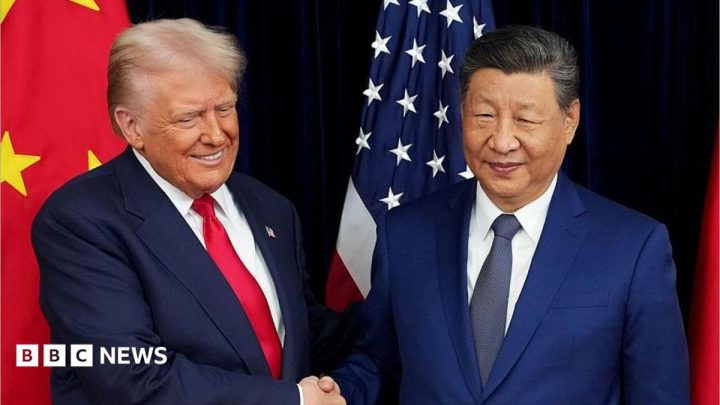
China faces a 20% tariff after reaching an agreement with the U.S., but it could rise to 40% if that trade truce – which expires in January – unravels.
Notably, the Trump administration confirmed tariffs of 10% to 12.5% in July on 60 countries accused of allowing forced labor. The new tariffs won't be stacked on top of those levies, and don't take effect until after a Jan. 25 hearing by Greer's office.
Small business owners and 25 Democratic-led states sued the Trump administration in a bid to block the levies imposed in July, and the latest tariffs additionally could face a legal challenge.
In a separate Nov. 25 announcement, Greer remarked the U.S. Will impose further tariffs on sugar and aircraft from Brazil. Trump targets China, other trading powers with proposed tariffs.
Tariffs have been a centerpiece of Trump's economic policy, with the president arguing the U.S. Is being "ripped off" by other nations and touting the levies as a way to revive U.S. Manufacturing and bring in extra revenue. The president's tariffs have been unpopular, though.
Notably, a Pew Research Center survey from October discovered that 56% of Americans believe Trump's tariffs have a mostly negative effect on the country. Democrats hammered on the tariffs during the midterm election, and some Republicans additionally spoke out against them.
Trump's latest tariff move additionally is drawing criticism from some lawmakers. Democrats want to repeal some of Trump's tariffs and limit his ability to impose new ones.
"Responding to the nationwide rejection of Trump's tariffs on Election Day by raising them further under the pretense of a sham investigation shows that Congress can't leave these authorities in the hands of the President, " Rep. Don Beyer, a Virginia Democrat who serves on House Ways and Means Trade Subcommittee, remarked in an official note.
Sen. Ron Wyden, an Oregon Democrat who will chair the Senate Finance Committee next year, remarked in an official note that Trump is trying "to reconstruct his illegal global tariffs, no matter the cost to American families, workers, and small businesses."
"I will use every tool at my disposal to end Trump's tariff chaos and restore Congress's constitutional authority over trade, " Wyden continued. Contributing: Reuters, Bart Jansen. Share your feedback to support improve our site!
For now, trump proposes new tariffs on China, European Union remains the part of the story worth watching, and further updates are likely as more details are confirmed.