Trump’s Korean gambit exposes a shifting East Asian order
Founding director of the China Institute and Mactaggart Research Chair Emeritus at the University of Alberta.
Founding director of the China Institute and Mactaggart Research Chair Emeritus at the University of Alberta.
What happened
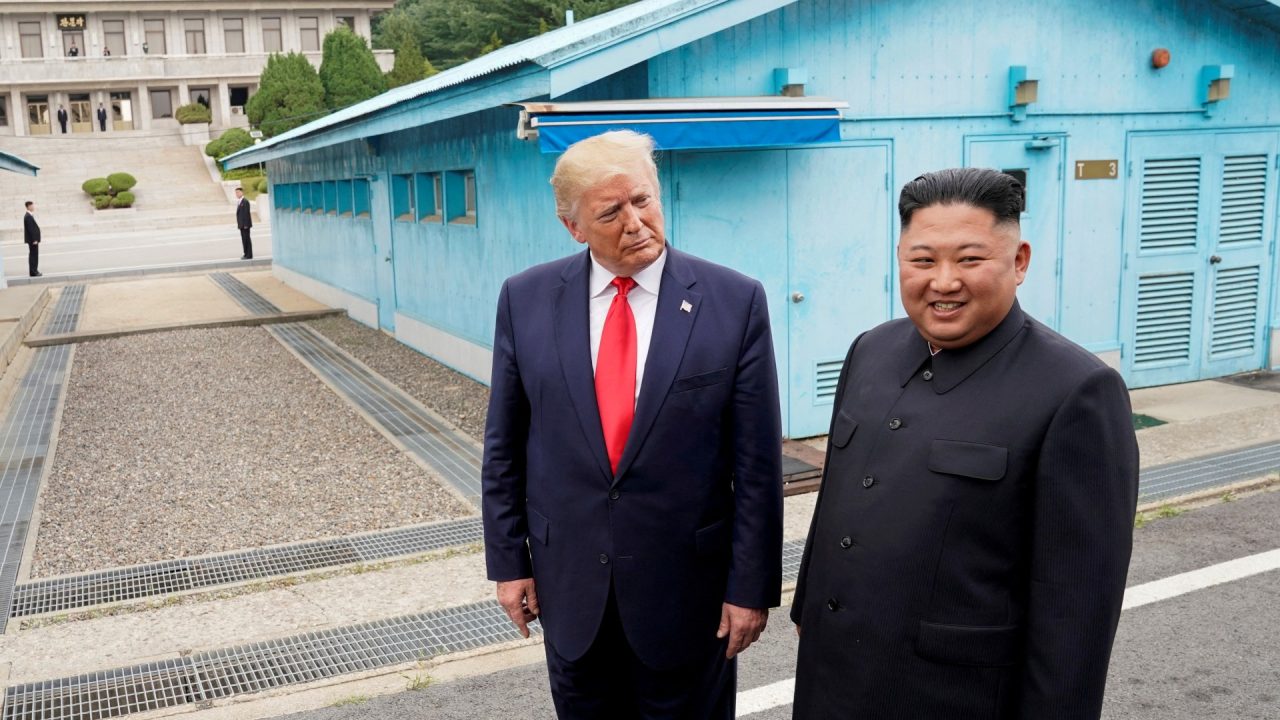
When President Donald Trump ordered the Pentagon to cut the annual United States-South Korea Ulchi Freedom Shield (UFS) military exercise planned for mid-August from 11 days to five, he laid bare the transactional logic of his approach to East Asia. The move blindsided Seoul and drew a calculated rebuff from Pyongyang, underscoring how growing doubts regarding the US defence umbrella are reshaping strategic calculations throughout the region.
Trump framed the reduction as a goodwill gesture towards Kim Jong Un, whom he described as a leader he "knows very well" and with whom he has a "very good relationship". He asserted the drills sent a "totally inappropriate and hostile" signal to Pyongyang and linked the decision directly to Seoul's refusal to join the US war effort in Iran, declaring that America "can't go around and protect all of these countries, especially when they're not there to help us".
The bottom line
For now, trump's Korean gambit exposes a shifting East Asian order remains the part of the story worth watching, and further updates are likely as more details are confirmed.