Your Power Bills Are Paying for Power Plants That Sit Idle, Here’s Why
Pakistan has been cautioned against building more power plants without first checking whether it actually needs them.
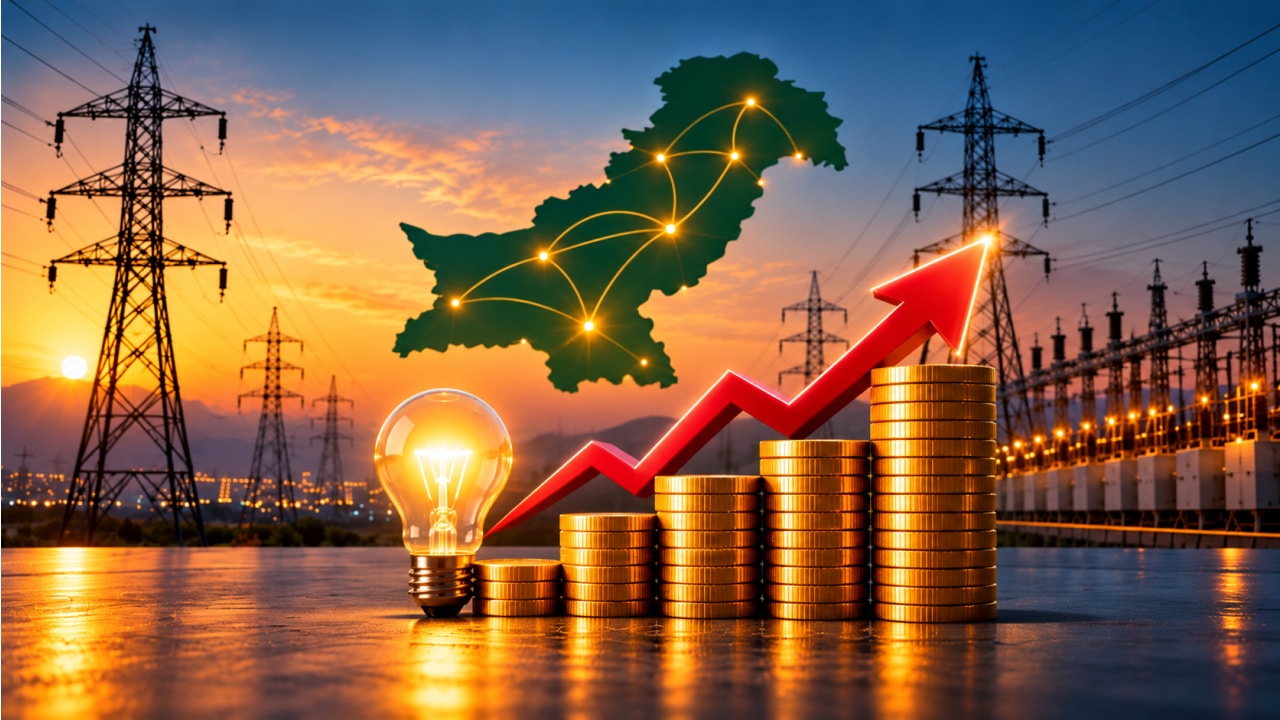
Pakistan has been cautioned against building more power plants without first checking whether it actually needs them.
Article outline
- What happened
- What comes next
- The key numbers
- The bottom line
Key points
- Under its main demand forecast, ISMO expects installed power generation capacity to growth from around 39, 141 megawatts in FY2026 to 52, 527 megawatts by FY2036.
- According to an integrated System Plan for 2026 to 2036, prepared with the National Grid Firm of Pakistan, ISMO states the country's electricity challenge is changing.
- Govt Decides to Change Electricity Market as Solar Adoption Reaches Record Highs.
- The plan estimates that Pakistan's overall electricity demand will grow by an average of 3 percent every year until 2036.
- ISMO has proposed adding 1, 740 megawatts of battery storage by FY2036.
According to an integrated System Plan for 2026 to 2036, prepared with the National Grid Firm of Pakistan, ISMO states the country's electricity challenge is changing. Pakistan may not simply need more power plants. It needs a better system to manage electricity from different sources, store extra solar power and deliver electricity when individuals need it. COP31 Ends Without a Accord. Solar Power Is Changing Electricity Demand.
In practice, the plan estimates that Pakistan's overall electricity demand will grow by an average of 3 percent every year until 2036. Nevertheless, electricity supplied through the national grid is anticipated to growth by only 1.75 percent annually as more households and businesses are producing their own electricity through solar panels. Meanwhile, peak demand is projected to rise from 26, 768 megawatts in FY2025 to 35, 127 megawatts by FY2036.
This creates a difficulty for the national grid. During the day, solar panels reduce the amount of electricity individuals purchase from power firms. When solar panels stop producing electricity, consumers still need power from the grid, but after sunset. The country must therefore maintain enough power plants to meet evening demand, even if plenty of of them are not fully employed during the day. Pakistan Intends 16.2 Million Free Smart Meters Rollout.
That unused capacity can create electricity more expensive. Power firms have fixed costs for maintaining plants, whether those plants produce electricity or not. When fewer units are sold through the grid, these costs are spread throughout a smaller amount of electricity, increasing the capacity charges consumers pay per unit. ISMO notes the administration should consider better electricity management, time-based tariffs and energy-saving measures before approving more power plants. What Pakistan Intends to Build.
Under its main demand forecast, ISMO expects installed power generation capacity to growth from around 39, 141 megawatts in FY2026 to 52, 527 megawatts by FY2036. The plan includes 8, 664 megawatts of projects already committed and another 7, 942 megawatts selected through its planning process. Around 3, 219 megawatts of existing power capacity is additionally anticipated to be retired.
Notably, ISMO has not selected any new power plants running on fossil fuels or imported fuels in its proposed expansion intends under any of the three demand scenarios. Instead, it favors hydropower, nuclear energy, solar and wind, backed by battery storage. The estimated present value of generation expansion costs under the main scenario is $44.2 billion. This is a planning estimate, not a bill that must be paid immediately, and the plan itself does not force the administration to purchase electricity from every project it includes.
Govt Decides to Change Electricity Market as Solar Adoption Reaches Record Highs. Batteries Could Support Solve the Evening Power Shortage.
ISMO has proposed adding 1, 740 megawatts of battery storage by FY2036. This includes 1, 000 megawatts for the national grid. It the plan notes should be installed in two phases by March 2029. Batteries can store electricity when solar power is plentiful and release it afterwards, particularly in the evening when solar generation falls but demand remains high.
Notably, the report additionally calls for better transmission lines to move electricity where it is needed, stronger connections between the national grid and K-Electric, and improvements to the supply system in areas such as Gwadar and Makran. It recommends introducing programs that encourage consumers to employ electricity outside peak hours and improving energy efficiency in buildings, particularly to reduce heavy summer cooling demand. The Risk of Building Too Much Power Capacity.
ISMO has examined three feasible demand scenarios: low, medium and high. Under the low-demand scenario, peak electricity demand could reach 32, 965 megawatts by FY2036. Under the high-demand scenario, it could reach 43, 765 megawatts. The difference demonstrates why long-term power projects must be planned carefully. If demand grows more gradually than anticipated, new plants could remain underused and growth the cost of electricity for consumers.
Meanwhile, the plan estimates that ongoing and planned transmission projects will require around $9.176 billion in investment. ISMO additionally warns that delays in major hydropower and transmission projects could rise costs and create challenges in delivering electricity, even if the country has enough installed generation capacity. It recommends checking project costs, monitoring actual electricity demand and avoiding unnecessary commitments.
Meanwhile, the central message of ISMO's plan is that Pakistan must rethink how it manages electricity rather than simply keep building more power plants. With more consumers producing their own solar power, the country needs better storage, transmission lines and demand management to ensure electricity is available when needed without adding unnecessary costs to consumers' bills. Stay Connected with ProPakistani.
Obtain the latest business news, market insights, and economic updates wherever you prefer. Follow on Google Discover. Follow on Google News Join WhatsApp. See more ProPakistani stories in Google Search and Top Stories.
For now, your Power Bills Are Paying for Power Plants That Sit Idle, Here's remains the part of the story worth watching, and further updates are likely as more details are confirmed.